














Oklahoma Sexual Abuse Attorneys
Civil justice for survivors — and the institutions that enabled the harm.
You decide whether, when, and how to come forward. Our job is to be ready when you do. The first conversation is private, free, and on your terms.
If you are reading this, you have already done something difficult.
You have considered the possibility that what happened to you — or to someone you love — was not your fault, and that someone other than the person who hurt you may share responsibility for the conditions that allowed it. Both of those things can be true. Both of those things are often true.
A civil sexual abuse claim is not a criminal prosecution. It is a separate proceeding — brought by you, on your terms, at the pace you choose — to recover damages from the perpetrator and from any institution whose failures enabled the abuse to occur.
Whether or not criminal charges were ever filed, whether or not there was a conviction, and whether or not the abuse was ever reported to anyone, you may have a civil claim. The first conversation is private and costs you nothing.
The most significant civil cases are almost always against the organizations that could have stopped it — and didn’t.
Most institutional sexual abuse cases share a pattern. Someone in a position of authority abused someone in their care. The institution had warnings — prior complaints, behavioral red flags, staff who reported concerns and were ignored, victims who were dismissed or paid to stay silent. Instead of acting, the institution protected itself. Civil law in Oklahoma allows survivors to hold those institutions accountable for what they failed to do.
Churches & Religious Organizations
Clergy abuse and the institutional decisions that hid it — failure to report, failure to remove abusers from contact with children, transfers between parishes or congregations.
Schools & Universities
Public and private schools, K–12 and higher education. Teacher, coach, and staff abuse — and the administrative failures to investigate complaints, supervise known risks, or report under mandatory reporting laws.
Youth Organizations
Scouting programs, sports leagues, summer camps, and after-school programs. National organizations have been held responsible for failures to screen, train, and supervise volunteers and staff.
Nursing Homes & Memory Care
Residents with cognitive impairment are disproportionately targeted. Facilities that fail to screen staff, supervise residents, or investigate complaints can be held accountable for the abuse that follows.
Healthcare Facilities
Hospitals, clinics, and treatment centers where providers abused patients in their care — and where supervisors, administrators, or institutions ignored prior complaints or warning signs.
Daycare & Childcare Providers
Childcare centers and licensed home providers responsible for screening employees, supervising children, and reporting suspected abuse. Failures at any stage can give rise to civil liability.
Foster Care & Group Homes
State-licensed and private placements where abuse by staff or other residents was foreseeable and preventable — and where supervision, screening, or response failed.
Workplaces & Employers
Employers who fail to act on harassment or assault complaints, or who knowingly retain or promote abusers. Title VII and Oklahoma law both create avenues for civil recovery.
“If an organization had reason to suspect abuse and did not act on it — through a previous complaint, a known pattern, a failure to follow its own policies, or a failure to comply with mandatory reporting laws — that is institutional negligence. It is the legal foundation of most successful civil sexual abuse cases.”
A civil sexual abuse case is often larger than the person who hurt you.
One of the first questions in any civil sexual abuse case is identifying every party whose conduct contributed to what happened. The perpetrator is rarely the only one — and rarely the only source of meaningful recovery.
The Perpetrator
A civil claim against the abuser is separate from any criminal case — and proceeds on a lower standard of proof. A criminal acquittal does not bar a civil recovery.
The Institution
Churches, schools, employers, and other organizations can be held liable for negligent hiring, retention, supervision, and failure to act on warnings. This is often where the most meaningful recovery lies.
Supervisors Who Knew
Individuals — pastors, principals, administrators, managers — who knew or should have known about a risk and failed to act may bear personal civil responsibility under Oklahoma law.
Insurance Carriers & Contractors
Commercial general liability and umbrella policies often cover institutional defendants. Identifying every applicable policy is part of the work of building a complete case.
What you can do — at your own pace.
There is no checklist that survivors are required to follow, and no order in which these steps must happen. They are offered here as a guide for what is possible — not as a script.
Take care of yourself first.
Your safety, health, and emotional wellbeing come before any legal process. Reaching out to a counselor, a trusted person, or a survivor support line is not a step you have to complete before you call us.
Write down what you remember.
When you feel able, note dates, places, names, and any people you told at the time. Even fragments matter. You do not need a perfect timeline to have a viable case.
Preserve anything you have.
Old letters, emails, texts, photos, journal entries, medical or counseling records, prior complaints to the institution — all of it can matter. Keep what you have; do not feel pressure to go searching for what you do not.
You do not have to file a police report to call us.
A civil case is separate from a criminal case. Whether or not you have ever reported to law enforcement — and whether or not you ever choose to — you may still have a civil claim.
Talk to us before you sign anything.
Institutions sometimes ask survivors to sign settlements, NDAs, or releases. A free, confidential conversation with a lawyer first costs you nothing — and protects what you may be entitled to.
Oklahoma’s deadlines are layered, narrow, and unforgiving once they pass.
Oklahoma’s civil deadlines for sexual abuse claims are different from criminal deadlines, and they vary depending on whether the abuse occurred in childhood or adulthood, and whether the claim is against the perpetrator or against an institution. The only way to know where you stand is to ask. The conversation costs you nothing.
Privacy, sensitivity, and the persistence these cases require.
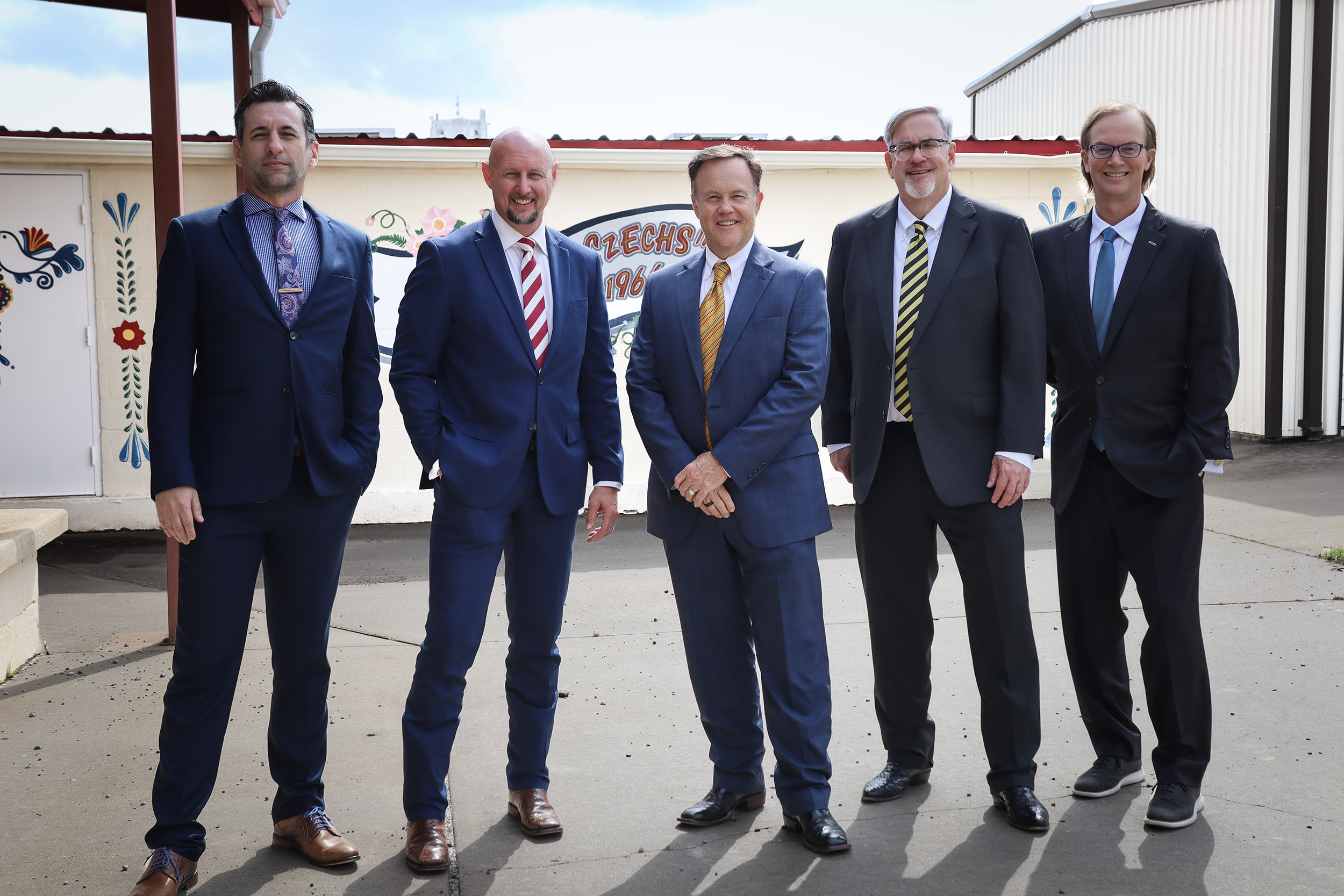
Bison Law Firm has handled sexual abuse cases against religious institutions and care facilities. We treat these matters with the privacy survivors are entitled to and the patience this work demands — at every step, and for as long as the case takes.
-
Survivor-led pacingYou decide what happens, when, and how. We will not pressure you into a public filing, a media moment, or a settlement you are not ready to accept.
-
Institutional investigationWe know how to obtain personnel files, prior complaint records, supervision logs, and insurance policies — and we know what their absence means. The institutional record is where most cases are built.
-
Confidentiality you can rely onEvery conversation is privileged. We negotiate confidentiality terms in resolutions when survivors want them, and we honor those terms permanently.
-
No fee unless we recoverContingency representation. The free consultation costs you nothing, and you pay nothing unless we recover compensation for you.
Real recoveries for survivors and their families.
We respect the confidentiality terms of every resolution we negotiate. Some terms permit us to share dollar amounts; others do not. Both kinds of cases are reflected below.
We listen first, and we move when you are ready.

You decide whether, when, and how to come forward. We are here when you do.
Tell us what happened. We will review the situation, explain your options in plain language, and tell you whether there is a case to pursue. There is no fee to talk to us, and no fee unless we recover for you.
Request a Free Case Review
All consultations are confidential. Response within one business day.